
Dr. Bumps Musings on Sleep: The Magic and Elusive Elixir of Health
Dr. Bump • February 26, 2021
“Some people can’t sleep because they have insomnia. I can’t sleep because I have internet.” — Anonymous

Sleep, the mysterious and essential state, where our bodies rejuvenate and repair, our minds turn off and reboot, our hearts soften and quiet and our soul reconnects with its Source. And yet, sleep is elusive, so frequently unobtainable, and all too often, fitful and fragile. Despite what we desire, despite what we know to be true, that a good night’s sleep is so good, so necessary and so fulfilling, it seems to remain just out of reach. Perhaps a metaphor of our dreams?
Sleep is etched deep into the complex and poetic structure of our DNA and we all must surrender to its artistic muse. For many, it remains a sore spot, a challenge and simply another source of worry and dare I say; stress. For without a sleep replete with deep delta waves of resounding bliss, we do not refresh and regenerate. When we are not revitalizing and regenerating our bodies, with the luxury of sleep, we do not function well, at all.
“I want to sleep better” or simply, “I am just so tired” is at the top of the list of requests, complaints, concerns, challenges, or symptoms I hear as a physician. I am sorry to say, although you must not be surprised, not all sleep challenges are created equal as per treatment. Some are driven by deep biochemical imbalances that have been in place for years and others by the same pharmaceuticals which are supposed to help us be healthier versions of ourselves. But, most sleep difficulties I see in my practice are driven by personal lifestyle choices. The simple things we unknowingly do, each and every day, which form the foundation of what we call our lives. With the Emperor being exposed, know that if these choices have been made before, they can be unmade, or changed and therefore on our way to a more restful slumber.
Let's look at 3 different lifestyle choices we all make, to some degree or another, that affect the sweet nectar of sleep from satisfying your desire for slumber.
First: Blue Light Exposure
The photoreceptors in your eyes are constantly tracking the amount of light in your environment and communicating that sensory stimulation to the “suprachiasmatic nucleus deep with the brain. There is a relation between the amount of light we absorb through our eyes and the messages it sends to our brain to stimulate the production of your sleep promoting hormone, melatonin. The photosensory chain reaction establishes the process we call circadian rhythm with which we were designed to dance. This “Night-Club Two-Step” is a thing of perfect harmony and beauty when we live with all of our light shining from Sunrise to Sunset. We have lost our rhythm as we live under a continual stream of blue light emanating from every palm, lap, and wall in our lives. Blue light tells your brain that there is still plenty of sunlight to enjoy and consequently diminishes your melatonin which should be telling your brain it is time to slow down, surrender to the sand-man and go to sleep. As you remain awake your brain thinks something is wrong and pushes you into Flight or Fight mode. That’s right, adrenaline starts pumping through your body getting you ready to flee. You undoubtedly are aware of the drill. It can often manifest in all of the mind chatter that comes flooding in as you close your eyes. What do we do? Reach for the blue light device again!
The solution to this first insomnia inducing agent is both obvious and simple: Turn off the blue lights. Alternatively, here are some smaller more digestible actions that can be taken:
- Easy to do: Use blue blocking filters on your phones, tablets, computers and any screened device. Most smartphones have blue blocking, Night Shift settings. Turn them on. My phone is set for Night Shift from Sunup to Sundown.
- Moderate effort needed: Change the lights in your home to special blue reducing bulbs. (eg: Philips Hue, and no we don’t get paid to say that.)
- Moderate to harder effort needed: Blue-blocking glasses: readily available, fashionable, and scientifically researched. Little costlier than we’d like as per a recommendation, however what is the sleep of your life worth to you?!
- Hardest effort: Have a no blue light rule for at least 2 hours before an established bedtime. Yes, this means not scrolling while lying in bed hoping to fall asleep.
Second: Caffeine
Caffeine is the world’s stimulant whether it is tea, coffee, cocoa in chocolate, or those other energy drinks we see on the market. There is nothing quite like the bouquet of roasted coffee brewing in the morning after a deep and restful sleep, its aroma tantalizing our senses. As much as you might enjoy the sensory up-tic caffeine provided in the morning, it has detrimental consequences on sleep for more than 50% of us. Have you gone out to dinner with the person who can down a double espresso at 10 pm and sleep like a newborn babe? That person probably has an unregulated cytochrome CYP1A2 gene which helps them break down caffeine in a jiffy. The rest of us are not as fortunate.
All drugs (yes, caffeine is a drug) have a half-life which is the length of time it takes to break it down 50% of it and clear it (detox it) out of your body. Caffeine has a half-life between 5 and 7 hours, which means that if you drink a cup of coffee at 2:00 p.m. then by 9:00 p.m. 50% of that cup’s stimulating effects are still working on the neurons in your brain. This caffeine is also then blocking a brain chemical, adenosine, which helps to calm and quiet you and prepares you for sleep. The result is you stay awake. From here it gets worse; remember with the blue light we’ve triggered the brain to think something is wrong, so it goes into Flight or Fight mode? That’s right, we are pumping the body up again with adrenaline here… and many reaching for that blue light if we haven’t already been on it.
The solution, possibly as obvious and simple as the first solution described: Avoid caffeine. Here are some steps to get there:
- Easy to do: Limited any caffeine sources to before 12 PM noon.
- Moderate effort needed: Shift caffeine sources from say a cup (8 oz) of regular coffee contains between 65 and 150mg of caffeine to a cup (8 oz) of tea that may contain 15 to 100 mg of caffeine, or non-sugary cacao beverage may contain zero to 25 mg of caffeine. Be sure to look for hidden sources of caffeine like in soft or other sugary drinks, and treats.
- Moderate to hard effort needed: Don’t reach for that blue light if you are already wide away due to caffeine. Your body will break the caffeine and allow you to fall asleep. But if you grab the blue light… forget about it.
- Hardest effort: Go caffeine free on perhaps an 80/20 basis.
Third: Alcohol
One of the most touted and highly performed rituals of relaxation in our society is the imbibing of alcohol. Tragically, the consumption of alcohol has increased during the covid-19 pandemic. It is estimated that drinking alcoholic beverages has increased 32% in “normal” drinkers, and as much as 60% in binge drinkers. Alcohol has numerous health related risks associated with its use and it is not my intention to do a deep dive into those concerns here as I want to only focus on how alcohol affects sleep.
Alcohol both stimulates and sedates. The sedative effect helps you fall asleep seemingly more easily after that glass of wine or two. Its stimulating effects wakes you up or keeps you up. What? How? Here’s how:
- Alcohol inhibits melatonin, similar to the blue light issue.
- Alcohol increases both adrenaline and cortisol, both stress hormones which put you in survival mode, like Flight or Fight.
- Alcohol inhibits and reduces Growth Hormone, which is used at night to aid in repair and rejuvenation.
- Alcohol also disrupts your circadian rhythm, which interrupts both your brain’s and your liver’s proper cycles.
- If you drink alcohol which contains caffeine, such as soda, Red Bull, chocolate you’ll enjoy a double whammy of sleep interruption.
- Alcohol can not be stored so you must burn it as a fuel, while all the food you ate at dinner or as snacks works your metabolism, which keeps you awake, and also increases fat.
- Many beers and wines contain sulphates which stimulate histamine which is a very excitatory neuro-chemical.
- Alcohol is a diuretic; you will have to get up to urinate during the night.
I am not here to sound condescending, when I say, the obvious and simple solution to share is: Don’t drink alcohol. Yet it’s seemingly futile as alcohol is deeply ingrained in the human experience, similarly to caffeine and blue lights. Thus, I offer here some tips that help reduce alcohol's stimulating effect.
- Take your last drink much earlier, allowing your body at least 3 hours before bed to metabolize the alcohol from your system. Keep in mind this varies by your weight, gender, genetic uniqueness and consumption.
- Stay hydrated. Keeping your body hydrated before (daily), during (alternate from alcohol to water), and after (daily and always) can help keep the blood alcohol concentrations low.
- Avoid mixers or drinks with caffeine and or sulphites.
Of course there are other lifestyle choices we can make to achieve a more restful sleep. Hot baths in mineral salts an hour before bedtime, meditating before bed, slow, gentle stretching or yoga and engaging slow diaphragmatic breathing., And yet those efforts might be without success if we don’t change some of the other, more damaging choices first. For example, a hot bath with a blue light device is not going to serve your sleep. If we are caffeinated or have consumed alcohol we likely won’t get into a meditative state, and gentle stretches or yoga could become injury inducing. Further, there are supplements one can take, and they would be beneficial, and support any number of solutions above, but they are not THE solution. The “right” solution is the one you choose, you control, and you stick to.
“A good laugh and a long sleep are the best cures in the doctor’s book.” — Irish Proverb

Mindfulness practices can improve your health in so many arenas, but most of all it can aid in improving your sleep. Mindfulness meditation can be defined as focusing awareness on each moment, including the environment, as wells physical and emotional sensations. In clinical studies, practicing mindfulness and/or mindfulness meditation before bed has led to benefits including: reduced insomnia, deeper sleep, fewer episodes of wakefulness during the night, improved mood and resilience, greater daytime energy and less anxiety. Give this a try: Be in a quiet place where you can relax. Sit, or lie down in your bed. Pay attention to the environment, listening to the sounds, smelling what is around you and feeling the temperature of the room. Focus inward. Take several deep breaths, paying attention to how your body feels as you breathe. Let your eyes close as you become more relaxed. Scan your body and assess how you feel. Focus your awareness on the parts of your body that are tense or in pain. Breathe deeply and acknowledge the feeling, without judging it. Imagine your body becoming heavier, more anchored to the earth. Visualize a location that makes you particularly happy. This could be a natural setting, a vacation spot you remember, as long as it leaves you with a calm, peaceful feeling. Let your thoughts flow. If you have anxious or worried thoughts, let each occurrence be an opportunity to observe the thought and let it go. Rather than fighting the thoughts, imagine standing still and letting the thoughts flow around you. Bring your attention back to your breath. You can use a timer if you need, or just fall off into sleep. Do keep with this practice as it might take some practice, but you will reap benefits however you do or how long you choose to do this meditation.
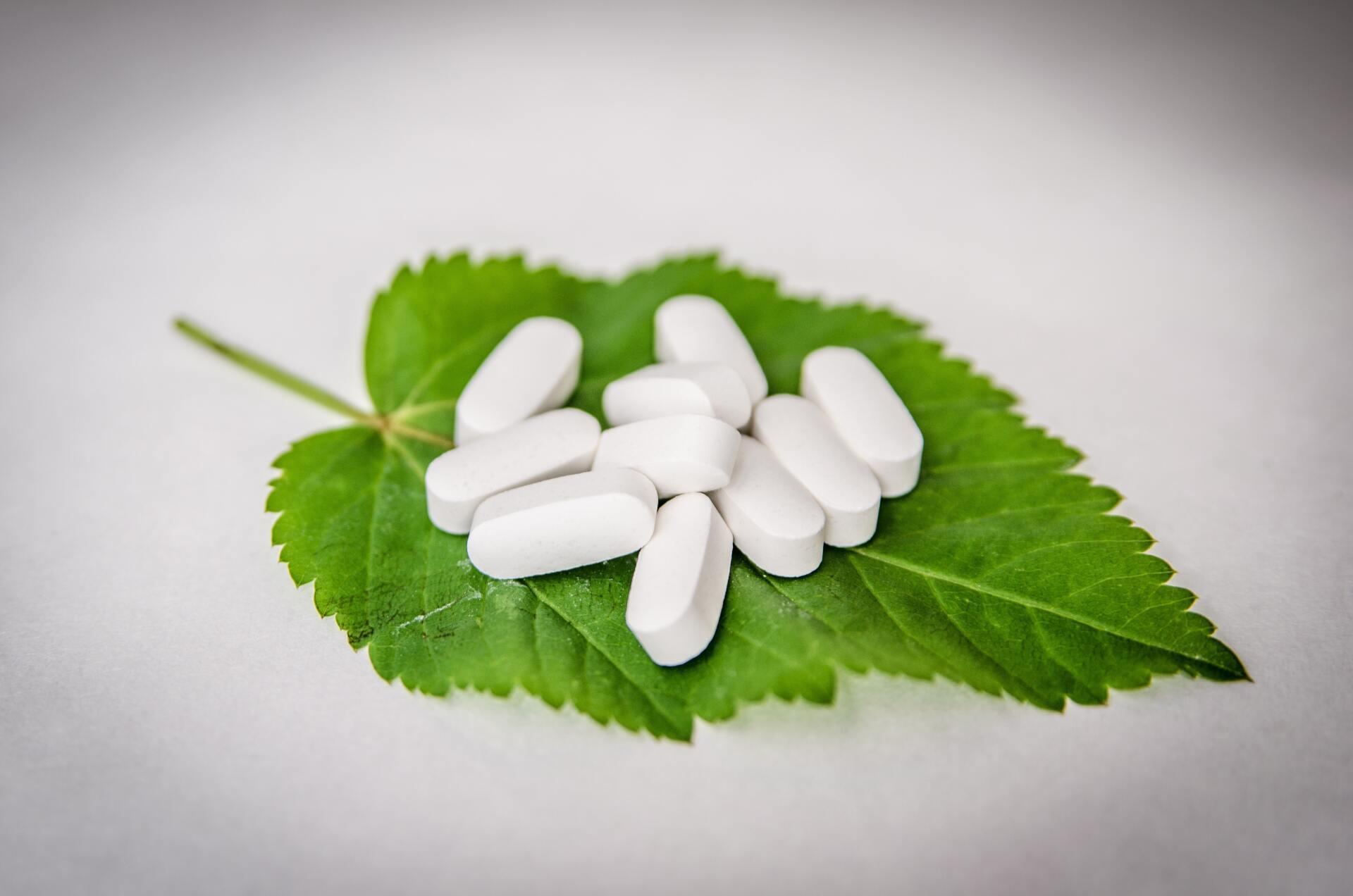
Dr. Bump's most recent musings discussed lifestyle choices that are impacting our ability to get a restful sleep. While you implement some of the changes he suggests, we recommend I-Theanine per supplement support. Click the image above to purchase from our online store.

We like this recipe from Sylvia Fountaine posted on Feasting at Home . We have put it with fish, meat, grilled veggies, and so many other things. Cilantro Chimichurri Sauce Ingredients 1/4 cup red onion 2 garlic cloves 1 tablespoon fresh chilis, diced (jalapeño, red chilies, or feel free to omit for a milder version) 1 cup Cilantro, tiny stems OK 1 cup Parsley, thin stems OK (optional, if not using, add another cup of Cilantro) 1 tablespoon fresh oregano ( or 1 teaspoon dried) 1/4 cup fresh lime juice (1–2 limes) or use red wine vinegar (or use half lime and half vinegar) 3/4 cup olive oil, add more to the desired consistency 1 tsp kosher salt 1 teaspoon pepper ½ tsp smoked paprika– (optional –only if you like smokey flavor) ½ teaspoon chili flakes, more or to taste Finely mince everything and place it in a medium bowl along with wet and dry ingredients. Taste, adjust salt, lime and heat ( add more chilies or chili flakes) to your liking. Or, alternatively, use a food processor: Place all ingredients through oregano in processor, and pulse a few times until finely chopped. Add olive oil, lime juice, smoked paprika (optional), salt and pepper. Pulse a few more times, until well combined (but not smooth). Taste, adjust salt, lime and heat ( add more chilies or chili flakes) to your liking. If the mixture seems thick add a little more oil to loosen it up. This will keep up to 4 days in the fridge, or freeze.
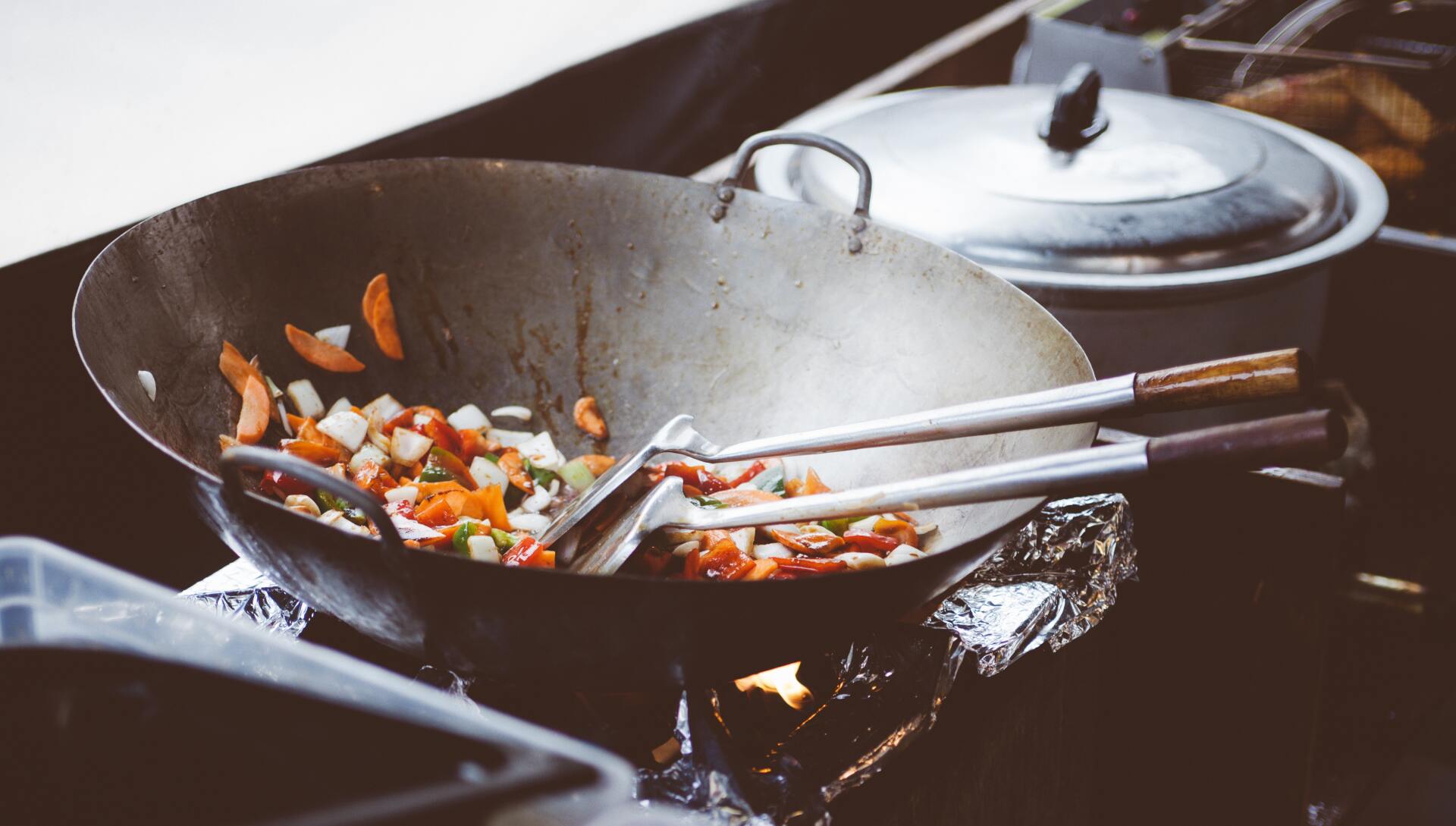
Recipes we are enjoying that are likely friendly on our detoxification or dysbiosis programs.

Dr. Bump is often asked tough questions that he then likes to write about for all.
Dr. Bump muses about many topics with us.